Seafret Gets Their Second Wind with New Album Fear of Emotion
Words by Angelina Singer
It’s not often that you hear of a band that’s been playing music for over 10 years and just now is getting attention — but Seafret is that band. And you’re going to want them on your radar — pronto. Now, Jack Sedman and Harry Draper are having a hard time grasping the fact that TikTok propelled their song “Atlantis” onto the radars of over a billion people (yes, billion with a “b”). This proves that sometimes the best artists are just the ones you haven’t discovered yet, and luckily for you, they just dropped a full album of new sonic gems that it’s high time you listen to.
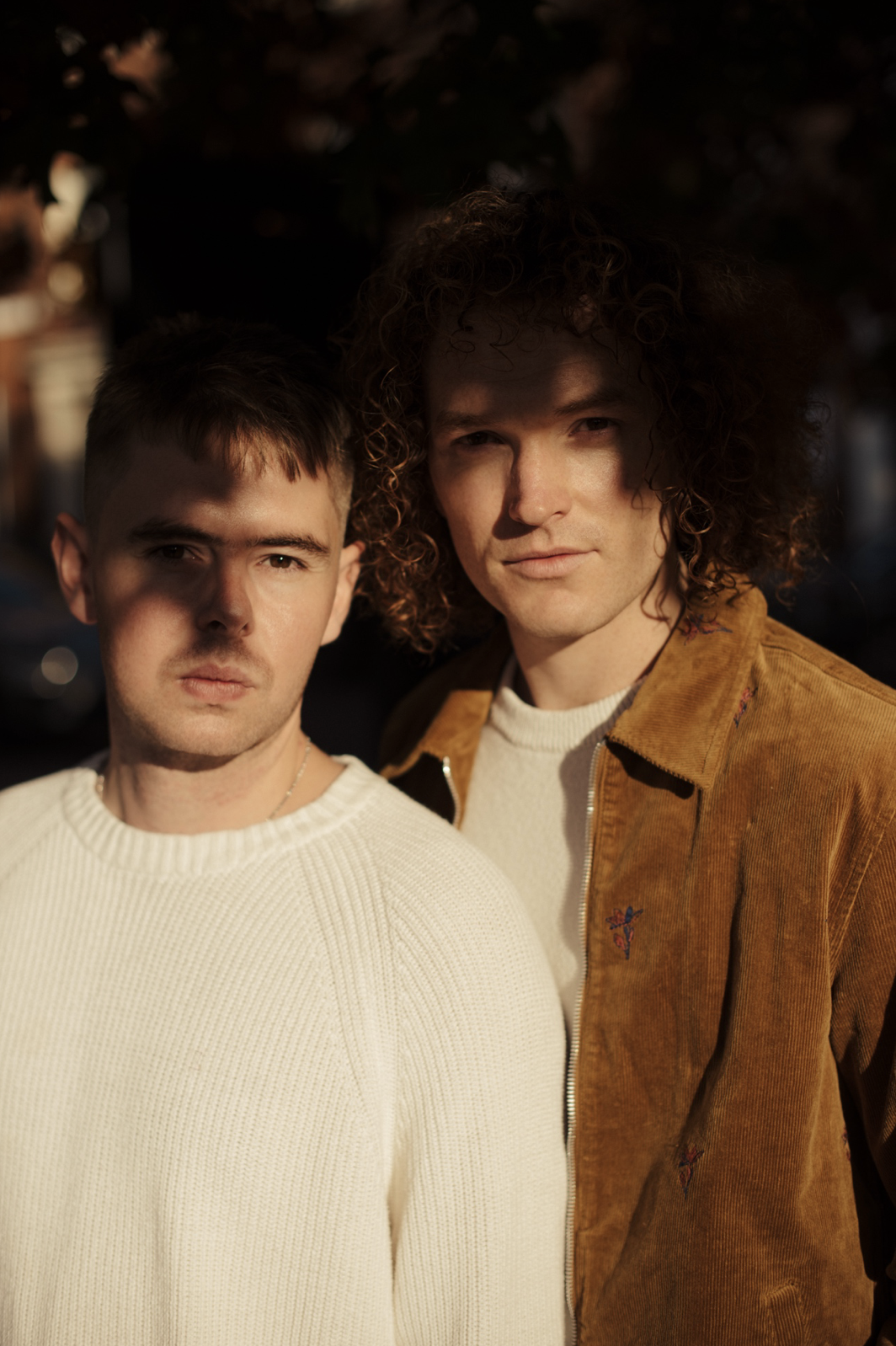
Photo by Jennifer McCord
After the isolation of Covid that brought about the band’s 2023 album of childlike energy titled Wonderland, there’s a fresh sort of whimsy and excitement in this new album Fear of Emotion that seeks to challenge limitations to creativity while comparing romantic drama to the natural world. It’s got a similar tone and style, but there’s growth here — both musically, and in the size of their audience.
Starting at the top, “River of Tears” opens the album, with a plucky bassline that’s equal parts catchy and seductive. It’s a story of empathy, as the vocalist sings about being afraid to open up in a relationship. And what an opener it is — the string section and bridge alone of this song sets the bar ridiculously high, right out of the gate.
Continuing on, “Signal Fire” starts out a bit more mellow, with minimalist piano chords transitioning the song into the syncopated guitar riffs. Nature imagery like winter and falling leaves creates a campsite-worthy atmosphere, perfect for your next fall or summer road trip playlist. Light percussion leaves room for reflection in this catchy beat that grows with every note of the song. It’s written about being there for the person you care about no matter what: “and in your darkest hour / don’t let your love grow cold”.
“Cloud” and “Desert Heart” continue with the nature imagery, developing a setting that feels so organic and visceral. “Are you gonna be a cloud in my sky? / Are you gonna be a tear in my eye? / Are you gonna be another drive-by?” suggest that the vocalist is comparing a temporary relationship to the way clouds float by but never truly stop. “Desert Heat” takes a much quieter approach to the music, with raw vocals that compare being alone with being stuck in the desert. It’s poetic, real, and surprisingly relatable despite never actually spending an extended amount of time in the desert myself. Light guitar chords build into the light piano notes and subtle percussion. I especially love the chorus on this one — it’s perfect for a first dance that will make everyone emotional.
Deeper into this album, you get “Standing By You” and “Driftwood”. Despite the sweetness and curiosity of the previous songs, “Standing By You” is angrier — the speaker is met with frustration about doing anything for the other person and receiving little to nothing in return. Intricate guitar (and possibly some folksy banjo) articulations make this song effervescent in its agitation — and there’s no apology for either person in question. “Driftwood” takes a more whimsical approach, with a vibe that sounds straight out of a fairytale before launching almost a bossa-nova feel behind guest vocals by James Morrison. It’s still frustrated in tone, but it feels a lot more tolerant than the previous song. This album is a bit like the stages of grief — and this one is leaning into acceptance while still feeling frustrated. The metaphor here compares the love interest of the person to a piece of driftwood that they find themselves clinging to — despite the bad habits holding them back.
“Wait” and “Five More Seconds” feature a delicate sense of urgency, as the subjects of this song find themselves nestled slyly into a glittering folklore tale with just enough angst to keep the listener coming back for more. The percussion on “Wait” feels like something you could literally slap your knee to, and I really liked the communal element of this song — and the crowd vocals add a lot to it. Where this song leaves off, “Five More Seconds” continues on, and the plea for patience becomes a pop-sultry tune, featuring none other than KT Tunstall. More nature and ocean imagery make this one an unforgettable component to an already fabulous album, and Tunstall’s vocals become the softer side of the coin, contrasting beautifully with her own grittier original work. While she might not be used to playing the part of a damsel in distress, she does a fantastic job embodying the desperation and hope for reconciliation as both partners step up to save their relationship.
The first guitar notes of “Love in Reverse” reminded me so much of “Let Her Go” by Passenger, I half-wondered if it was a subtle interpolation, but this song is all Seafret’s own. “There’s a lighthouse on the shore / it’s out of reach forevermore” are just some of the poetic lyrics, bringing the listener back to the beach. But this time, it’s full of infinite possibilities and the what-ifs that come around when you wish you could re-do your relationship backwards. Later in the song, the choruses also reminded me a lot of “Scared to Start” by Michael Marcagi, but really this just shows how locked-in the band is to their pop and alt-folk genre. They know who they are, and they aren’t afraid to embrace it.

Photo by Jennifer McCord
Toward the end of the album, listeners are treated to “Guilty” and “Wasted on You”. The journey of the overall body of work isn’t lost on the listener, as the beginning is more hopeful and curious, while the latter end of the album is so frustrated with the situation at hand — and the speaker notices that it’s starting to be their fault. This is the center of “Guilty”, and an urgent beat builds the scaffolding for the storyline to build before everything later crumbles to the ground. Finally, “Wasted on You” echoes some of the ideas around earlier frustrated songs, but the rapid guitar arpeggiations create a busier dynamic, with much darker sounds that reminded me of a song a villain might sing. But the darkness begins to break at the chorus, before the momentary bit of sunlight fades back into the shadows again. The waltz beat punctuates the urgency of the ideas (“while there’s nothing I won’t sacrifice / deep down I know it’s not right / keep clingin’ so tight”) while the bridge towards the end is pure agony. By the end of it, you’ll hardly know who to root for anymore.
Rounding out this incredibly cohesive album is the more relaxed “Nobody Sees Us”, featuring Katie Gregson-Macleod. It’s more staunchly placed in the folk genre, with the guest vocalist’s soft tone ebbing and flowing with Seafret’s vocals in an incredible harmony. I also loved the string section that really ups the stakes as the song continues, reflecting on being held close through heavy storms (whether literal or figurative, I’ll let you decide).
This album is full of ups-and-downs, and obviously complicated emotions that can’t be simplified down to any particular verdict. However, as music and art tends to do, this album does a stellar job of untangling the weeds that true emotion gets stuck in.
Fear of Emotion is available now for your listening journey, so don’t hesitate to dive into the waves!